

Curating Myself: The Uniform of Individuality
Everyone wants to be different.
That is not new. Every generation has had its own way of trying to stand out, whether through music, fashion, slang, or attitude. However, for Gen Z, individuality has become almost impossible to separate from performance. We are not just trying to figure out who we are. We are also trying to package ourselves in a way that can be recognized by others.
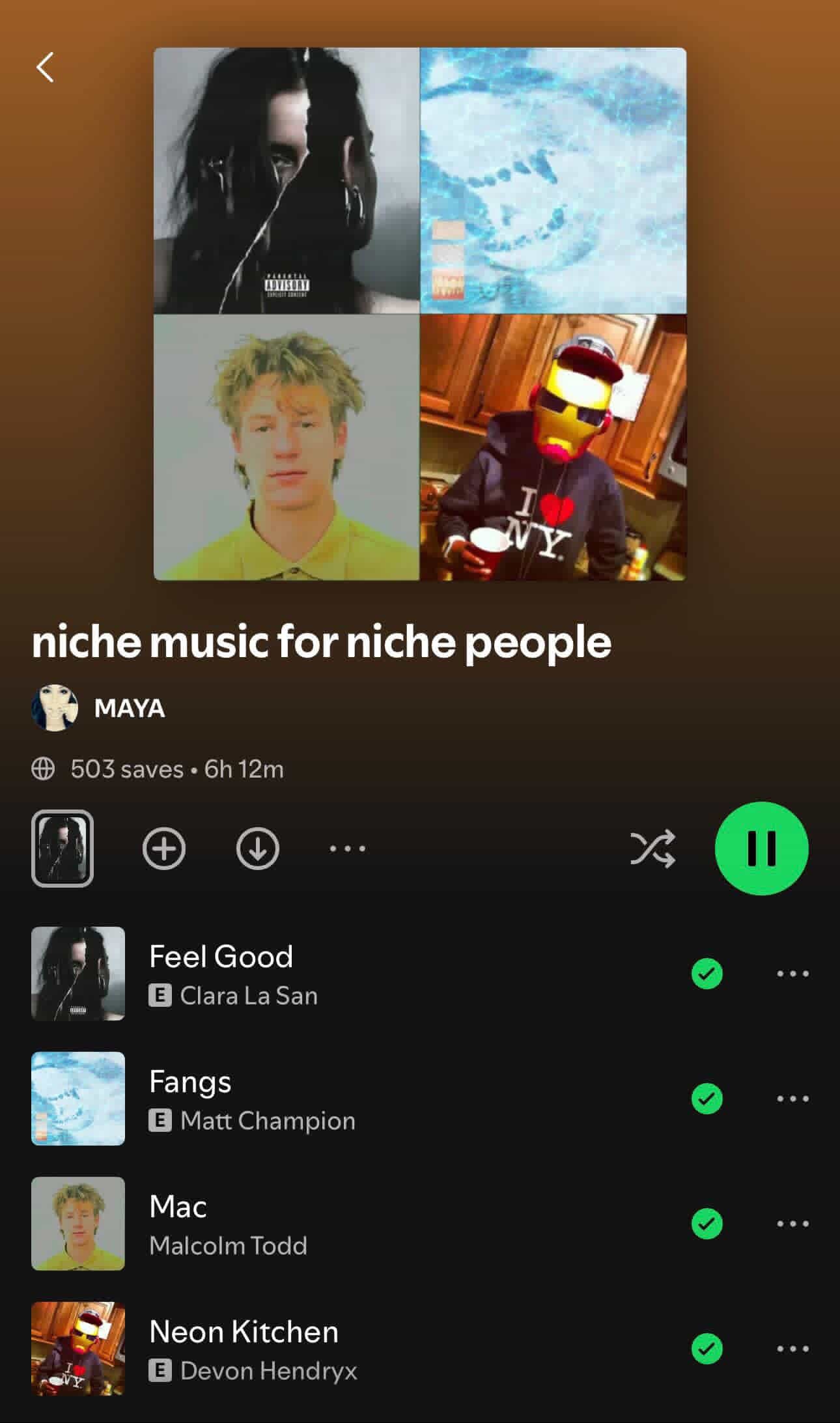
Personal interests have lost their status of being personal. A playlist is not just a playlist. It is a personality. A fashion aesthetic is not just a way of dressing. It is a label. A favorite niche artist, a pair of headphones, a tote bag, a camera, a weird hobby, a thrifted jacket, even the way someone takes their Instagram photos can all become signals. They say: This is who I am. Or maybe more honestly: this is who I want you to understand me as.
The strange thing is that the more unique these signals feel, the faster they become recognizable. The “different” outfit becomes an aesthetic. The aesthetic becomes a trend. The trend then becomes a uniform. Suddenly, everyone trying to set themselves apart from the crowd, finds themself belonging to a group once again.
This is the contradiction at the center of modern individuality. We want to be seen as original, but in order to be seen, our originality has to be defined. It has to fit into some category that others can name. Clean girl. Coquette. Y2K. Old money. Whatever the label is, it gives people a shortcut for understanding us. But it also traps us inside the shortcut. To be clear, this does not mean that aesthetics are fake or meaningless. Style can be fun. Music can be personal. Subcultures can create belonging. There is a sense of comfort that comes from finding people who enjoy similar things, especially when the internet makes it easy to feel both constantly connected and deeply alone. A label can help someone discover a community, language, or version of themselves that they did not know existed before.
The problem begins when the label becomes more important than the person. A great deal of Gen Z identity feels built through curation. We choose what parts of ourselves to show, then arrange them into something that looks coherent. We make moodboards out of ourselves. We ask: Does this fit my vibe? Does this look like me? Does this make sense with the version of myself I am trying to become?
There is nothing wrong with experimenting. In fact, experimenting is probably one of the most honest parts of growing up. The issue is that experimentation can quickly turn into self-surveillance. Instead of asking, “Do I like this?” we start asking, “Does this match the kind of person I want people to think I am?” Instead of choosing things because they feel authentic, we choose them because they feel rare, impressive, or difficult to categorize.
That is where hyperindividuality starts to become exhausting. Being yourself is no longer enough. You have to be yourself in a way that feels distinct. Then you have to keep updating that self before too many other people catch on. It is almost like individuality has become competitive. The goal is not just to have taste, but to have taste before everyone else does. To know the artist before they go mainstream. To wear the trend before it becomes a trend. To have an identity that feels specific enough that nobody can accuse you of being basic.
But being “not basic” can become its own kind of basic.
The internet speeds this up. Something that once might have stayed small or personal can become a category overnight. A sound goes viral. A niche style gets named. A private interest becomes a public aesthetic. Then people rush to participate, reject it, parody it, or move on from it. The cycle is so fast that even our attempts to be different can start to feel pre-approved.
This creates a weird pressure: we want to be understood, but we do not want to be too easily understood. We want people to notice our uniqueness, but we do not want that uniqueness to seem manufactured. We want recognition, but we also want authenticity. And those two desires do not always sit comfortably together. Because if my individuality only feels real once someone else recognizes it, how individual is it really?
Maybe the answer is not that all performed identity is fake. Humans have always used appearance, taste, and group belonging to express themselves. We are social. We want to be seen. Wanting recognition does not automatically make someone inauthentic. But maybe we need to be more honest about the difference between expression and branding.
Expression says: this is something I like, something I feel, something I am exploring.
Branding says: this is the version of me I need you to believe in.
The first one leaves room for change. The second one starts to feel like a cage.
Real individuality might not look as aesthetic as we expect it to. It might not always be interesting, rare, or easy to post. It might mean liking something even after it becomes popular. It might mean dressing in a way that does not fit a named style. It might mean having interests that contradict each other. It might mean not turning every part of yourself into proof that you are different.
Maybe authenticity is not about being impossible to label. Maybe it is about not needing the label to feel real. That is the uncomfortable part. Many of us say we want to be individuals, but we also want our individuality to be legible. We want it to be witnessed. We want someone to look at us and understand the effort, the references, the taste, the difference. Though once individuality depends on being recognized, it becomes partly owned by the people recognizing it.
The better question is not, “How do I become more unique?” It is: who am I when nobody is turning me into an aesthetic? And what would it mean to actually live from that place? Because the more you practice seeing yourself as who you really are, without editing, labeling, or packaging it, the less you need to construct an identity at all. Being a fully formed individual stops being something you perform and becomes something you can’t help but be.